A Guide to Pediatric Orthodontic Services in Greensboro, NC
Parents in Greensboro want the best for their children, especially when it comes to their health, development, and confidence. A beautiful, healthy smile plays a significant role in a child’s overall well-being, influencing everything from proper speech development to the ability to chew comfortably and maintain good oral hygiene. When teeth and jaws develop correctly, children are more likely to avoid complications that could affect their dental health later in life. Early orthodontic care can help guide this development, ensuring that permanent teeth emerge in the right positions and that the bite functions properly. Understanding how a pediatric orthodontic service works and when to seek treatment allows parents to take a proactive approach to their child’s dental care. Orthodontic evaluations during childhood help identify potential issues such as crowding, bite misalignment, jaw growth concerns, or spacing problems before they become more complex. By recognizing these concerns early, orthodontic specialists can monitor dental growth patterns and recommend the most appropriate timing for treatment if it becomes necessary. This preventive approach often reduces the likelihood of more extensive procedures during the teenage years.
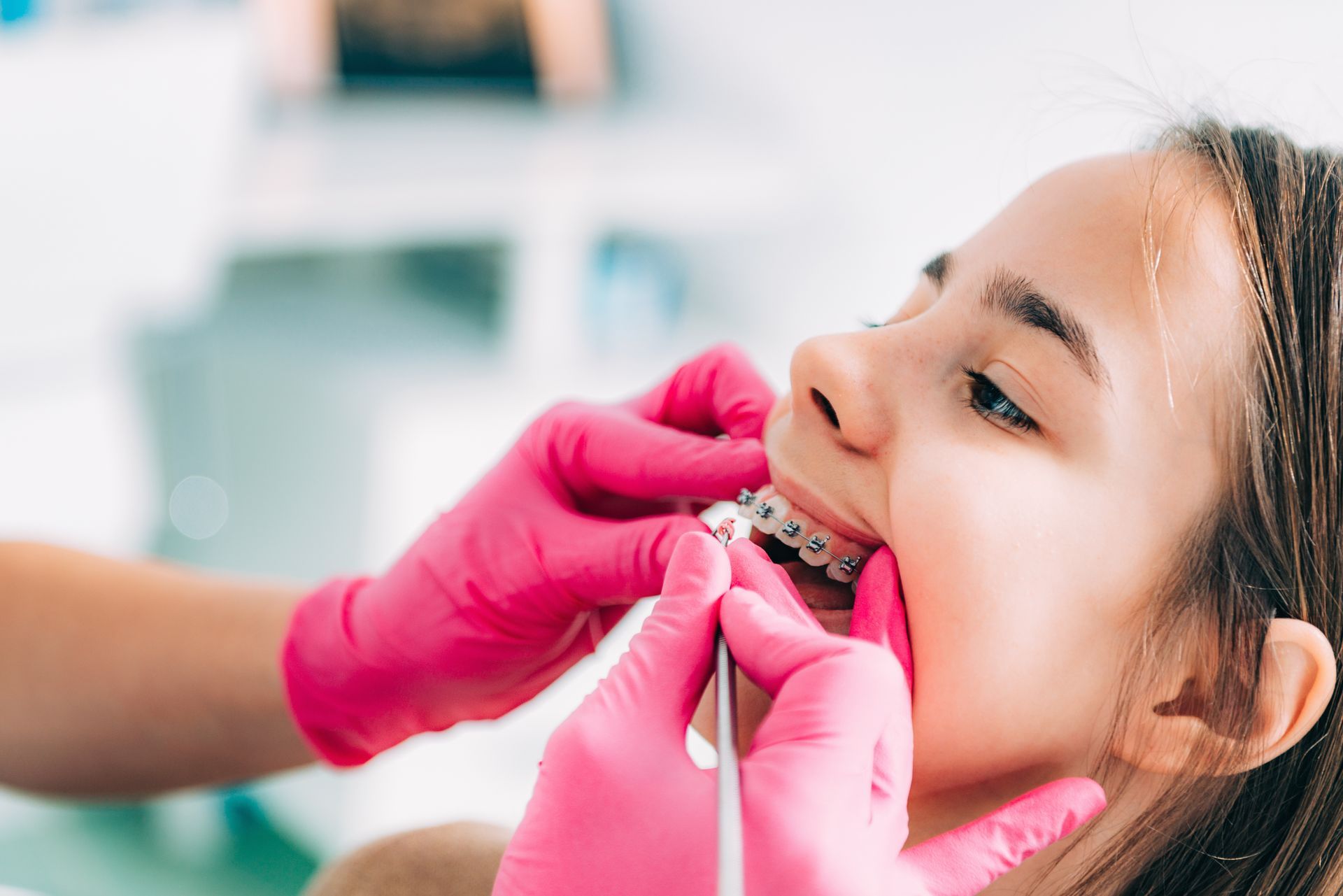
The Right Age for a First Orthodontic Evaluation
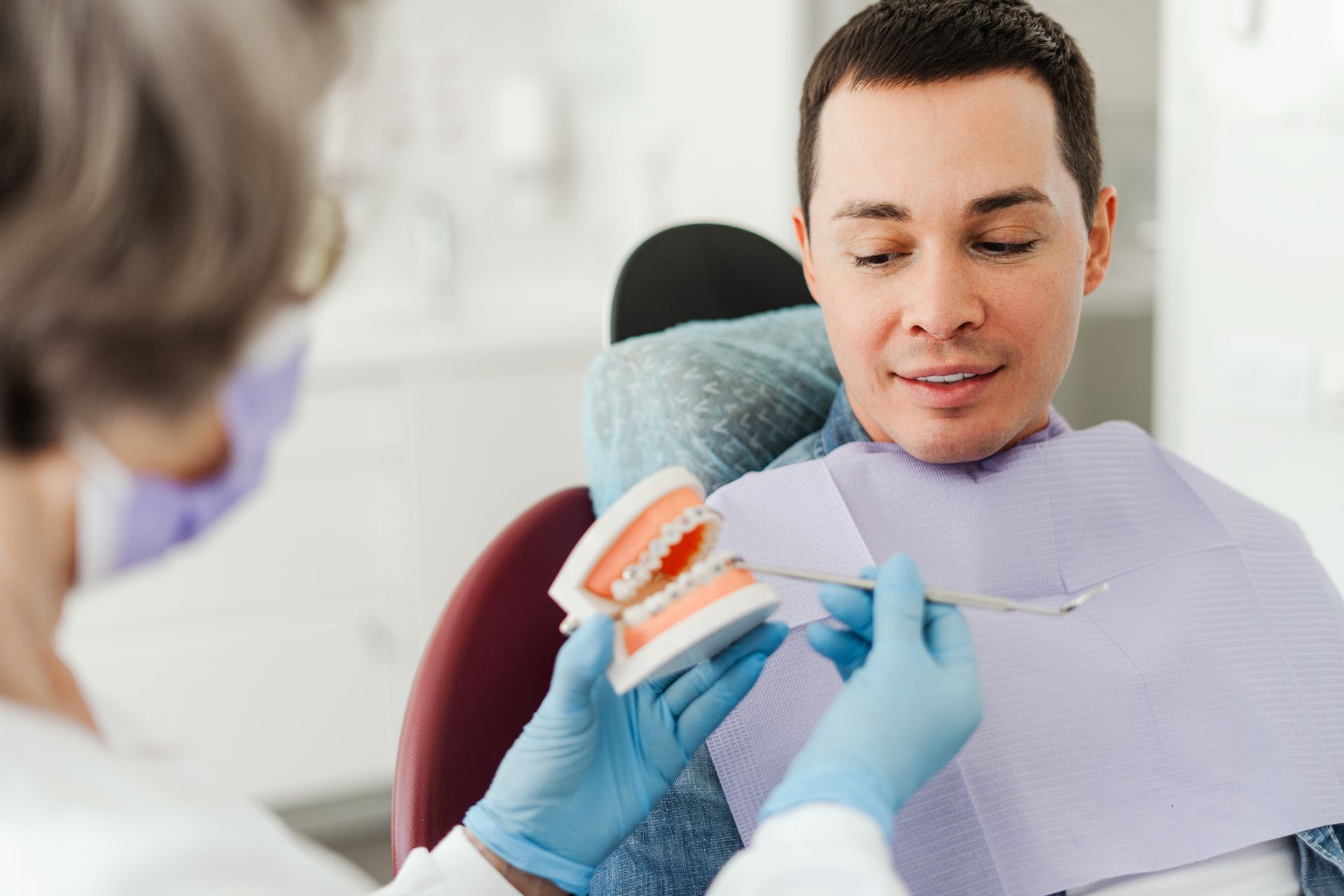
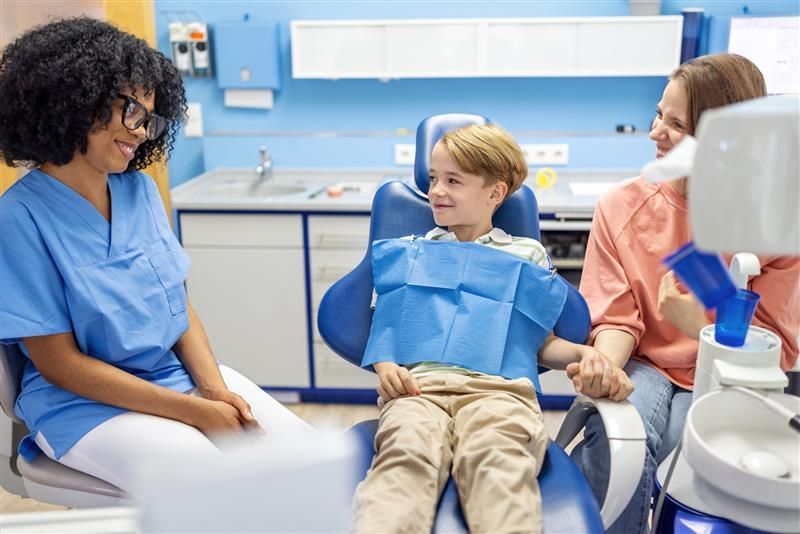
Many parents wonder when their child should first visit an orthodontic specialist. Dental professionals generally recommend that children receive their first orthodontic evaluation around the age of seven, when a mix of baby and permanent teeth allows specialists to detect early alignment or bite concerns. An early assessment through a pediatric orthodontic service can help identify potential issues before they become more complex, allowing for timely monitoring or treatment. Early evaluations are an important part of child orthodontics, helping guide proper jaw development and creating a strong foundation for a healthy smile.
During this initial evaluation, orthodontic specialists carefully examine several aspects of a child’s dental development, including:
- Detect developing bite issues such as overbites, underbites, or crossbites: Early detection allows orthodontists to correct bite alignment before it affects chewing, speech, or long-term jaw development.
- Monitor jaw growth and alignment during key developmental stages: Evaluating how the upper and lower jaws grow helps specialists identify imbalances that may require early guidance or corrective treatment.
- Identify crowding or spacing problems before permanent teeth fully erupt: Spotting potential space issues early can help create room for incoming teeth and reduce the risk of severe crowding later on.
- Address habits like thumb sucking or prolonged pacifier use: These habits can gradually affect tooth positioning and jaw growth, making early intervention beneficial for proper alignment.
- Determine the best timing for orthodontic treatment if needed: Not every child requires immediate treatment, but early evaluations allow specialists to plan the most effective time to begin care if orthodontic correction becomes necessary.
Warning Signs & Common Orthodontic Problems in Children
Many orthodontic issues begin to develop during childhood, which is why parents should be aware of early warning signs that may indicate the need for professional evaluation. Identifying these symptoms early allows specialists to determine whether monitoring or treatment is necessary. A timely assessment through a pediatric orthodontic service can help detect alignment or bite problems while a child’s teeth and jaw are still developing. Early detection is a key part of child orthodontics, helping prevent more complex dental issues later in adolescence.
Some common warning signs parents should watch for include:
- Crowded, crooked, or overlapping teeth: When there is not enough space in the jaw for teeth to grow properly, crowding can occur, making oral hygiene more difficult and increasing the risk of cavities or gum problems.
- Difficulty chewing or biting food: Children who frequently struggle while eating may have bite alignment problems that affect how the upper and lower teeth meet.
- Mouth breathing or frequent open-mouth posture: Consistent mouth breathing may influence jaw growth and facial development, potentially leading to orthodontic concerns over time.
- Thumb sucking or prolonged pacifier use: These habits can gradually shift tooth positions and impact jaw alignment if they continue beyond early childhood.
- Early or late loss of baby teeth: Losing baby teeth too soon or much later than expected may affect how permanent teeth erupt and align.
- Teeth that do not meet properly when biting: Misaligned bites such as overbites, underbites, or crossbites can affect chewing efficiency and long-term dental health.
Effective Pediatric Orthodontic Treatment Options for Growing Smiles
Orthodontic treatment for children is designed to address developing dental concerns while the teeth and jaws are still growing. Early care can guide proper alignment, improve bite function, and reduce the likelihood of more complex procedures in the future. Through a comprehensive pediatric orthodontic service, specialists evaluate each child’s unique dental development and recommend the most appropriate solutions. These treatments are an important part of child orthodontics, focusing on correcting problems early and supporting healthy smile development.
Common pediatric orthodontic treatment options may include:
- Early Phase Orthodontic Treatment (Phase 1 Treatment): This treatment is performed while some baby teeth are still present and focuses on guiding jaw growth, correcting bite issues, and creating space for permanent teeth.
- Palatal Expanders: A palatal expander gently widens the upper jaw over time, helping correct crossbites and creating additional room for crowded teeth.
- Space Maintainers: When a baby tooth is lost prematurely, a space maintainer keeps the surrounding teeth from shifting and preserves the proper space for the permanent tooth to erupt.
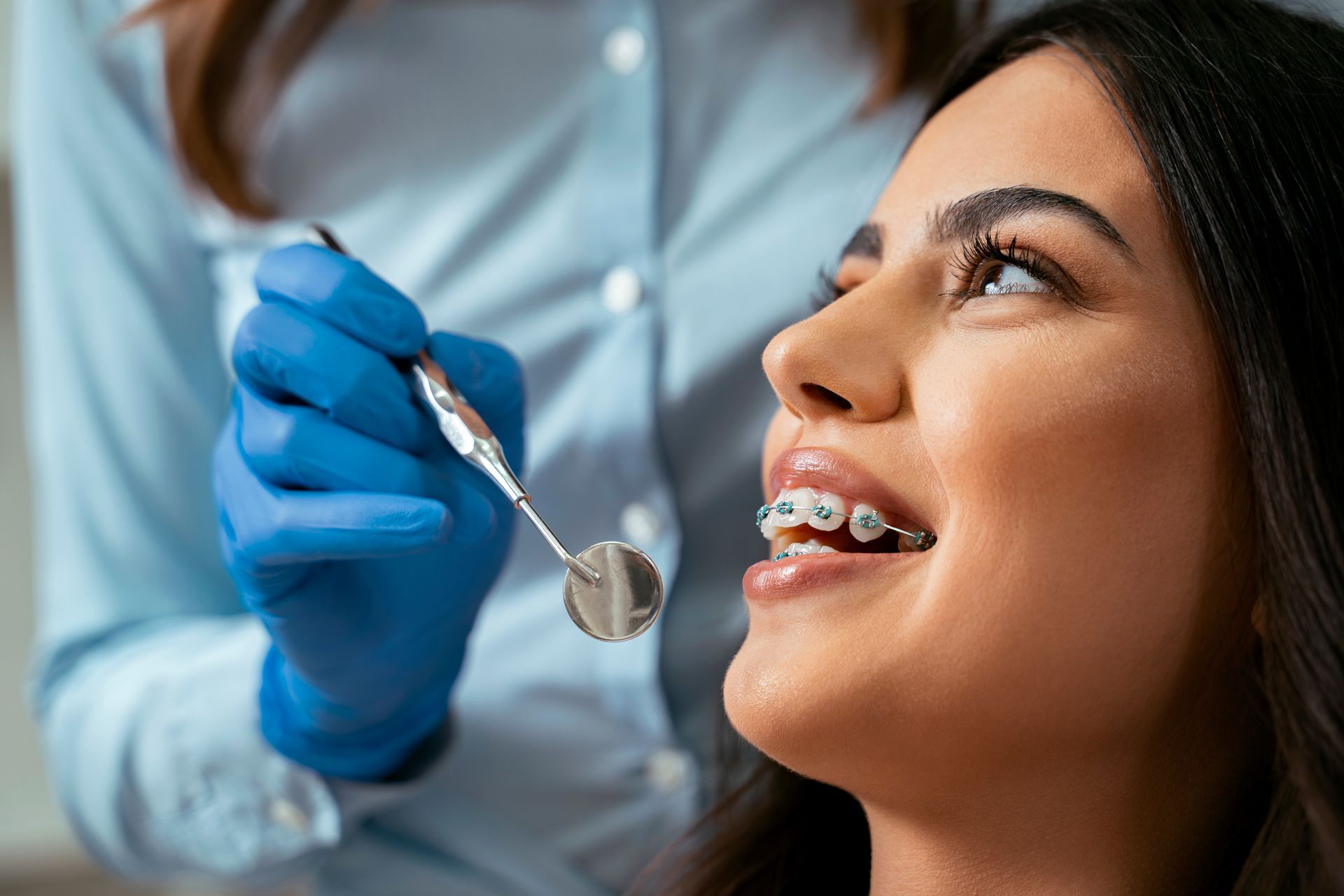
- Partial Braces for Early Alignment: In some cases, braces may be placed on a limited number of teeth to correct early alignment issues before they worsen.
- Growth Modification Appliances: Certain orthodontic devices can guide jaw growth in children, helping correct imbalances between the upper and lower jaws while they are still developing.
Give your child the advantage of early smile care with a professional pediatric orthodontic service designed to support healthy dental development. Early guidance through child orthodontics can help prevent future complications and ensure proper alignment as your child grows. Contact us today to schedule an evaluation and take the first step toward a confident, healthy smile for your child.